


For many, the term “listed building” doesn’t sound very meaningful at first. However, anyone thinking about buying a listed property will quickly realize that this term offers a variety of opportunities, but also challenges. Owning a historic building not only means preserving a piece of history, but also requires special care and planning. In this blog article, you will learn all the important information about listed properties – from the advantages and disadvantages to important tips for buying and renovating.
What does historic preservation mean?
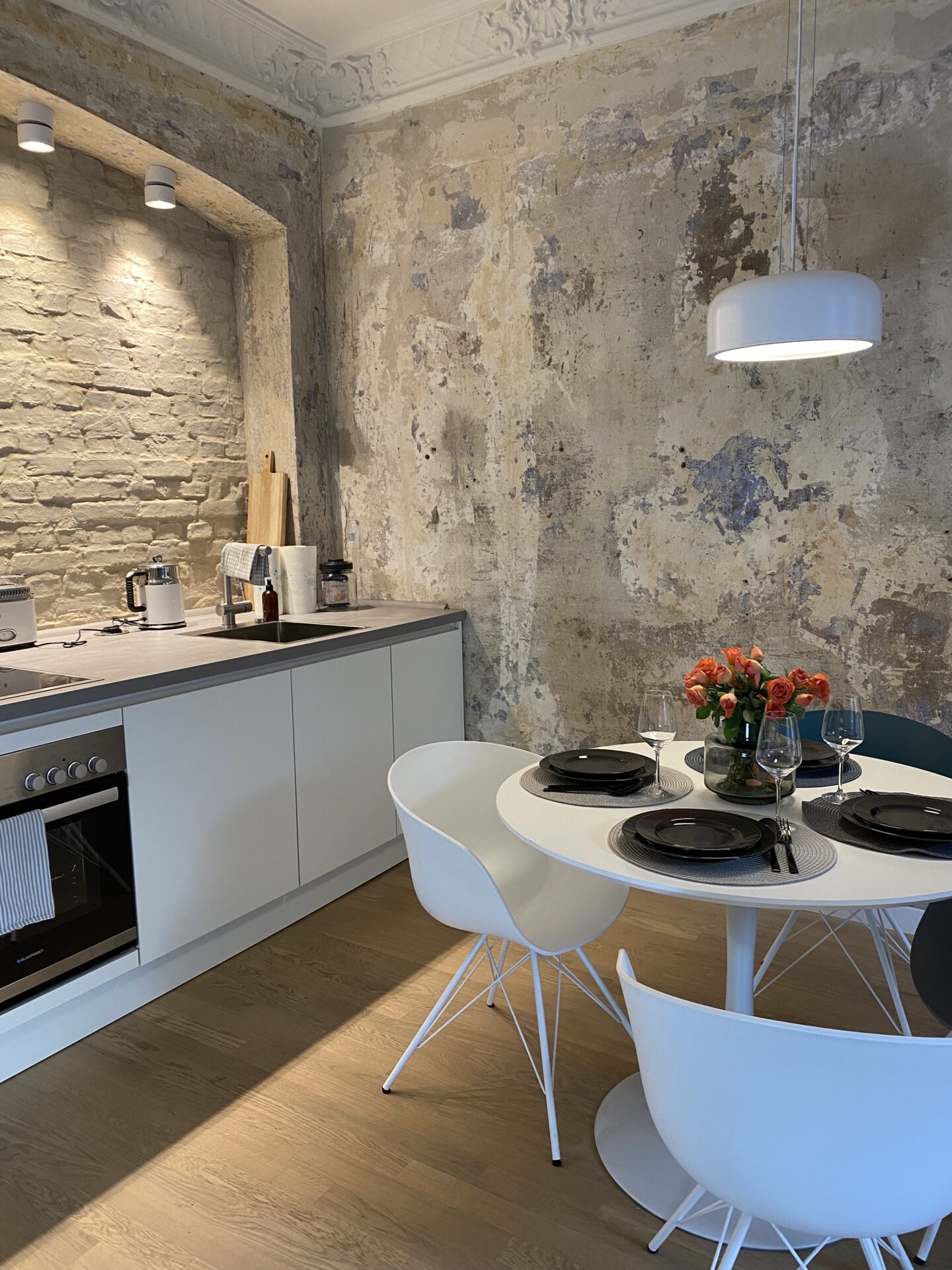
Monument protection stands for the preservation of buildings that have been classified as particularly worthy of protection due to their historical, artistic, cultural or scientific significance. The aim of monument protection is to preserve the historical heritage for future generations. However, this also means that conversions or renovations to a listed building are subject to certain conditions and may not be carried out without permission.
We support you in the management of your historic property
As the owner of a listed building, you face particular challenges when it comes to preservation, maintenance and possible renovations. At Hope Apartments, we offer comprehensive support in the management of your property to ensure that all conservation requirements are met and your property retains its historic value.
Advantages of a historically protected building
– Unique architecture and history: Listed properties are characterized by special architectural features that are often no longer found in modern buildings. Whether stucco ceilings, ornate facades or historic roof trusses – such buildings are true contemporary witnesses.
– Tax advantages: One of the biggest financial incentives for buying listed properties are the tax benefits. In Germany, refurbishment costs incurred due to listed building requirements can be deducted from tax. These write-offs apply to both owner-occupiers and landlords and can be spread over several years.
– Value retention and prestige: Listed buildings generally have a higher value, especially if they have been lovingly and professionally restored. They not only offer special living comfort, but also a certain prestige. In addition, the value of such properties often remains stable or even increases, as they are rare.
Challenges when buying a historically protected building
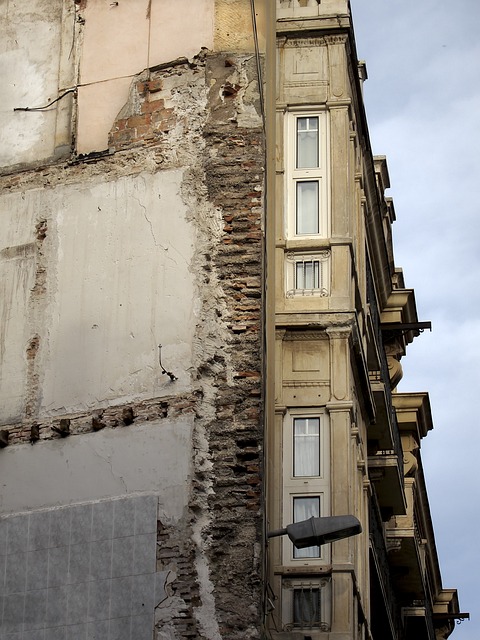
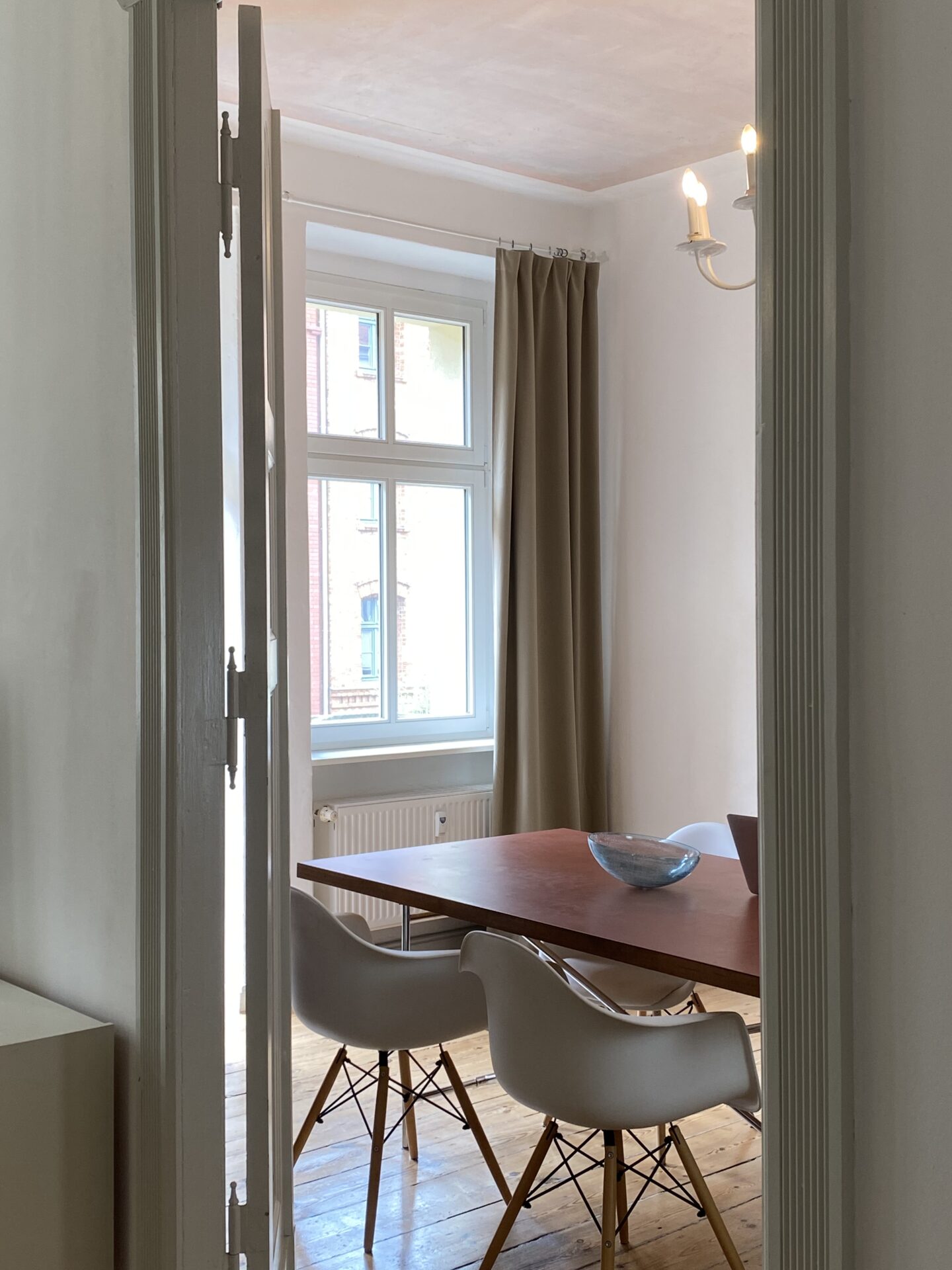
– Requirements for renovations and conversions: Listed building protection can entail a number of restrictions. Certain materials and techniques must be used in order to preserve the historic appearance. Changes to the façade, roof or windows require approval from the heritage authority. This can prolong the renovation process and make it more expensive.
– Higher renovation costs: Listed buildings are often in need of renovation and the cost of renovations is usually higher than for conventional buildings. This is because historic building materials can be more expensive and specialized craftsmen are required. In addition, modernizations such as insulation or heating systems must be carefully integrated into the building fabric without compromising the historic appearance.
– Maintenance costs: A listed building requires regular maintenance and care in order to preserve the condition of the historic building fabric. This can mean additional effort and costs, especially for sensitive materials such as old wooden structures or natural stone façades.
What you should consider when buying
– Obtain an expert opinion: Before buying a listed property, it is advisable to obtain an expert opinion on the condition of the building. An experienced building expert can identify possible renovation needs at an early stage and give you a realistic estimate of the costs involved.
– Contact the monument authority: The relevant monument authority should be contacted before the purchase. Here you will receive important information about the existing requirements and possible funding opportunities for the renovation. You should also involve the authority at an early stage when planning renovations in order to prevent problems later on.
– Financial planning: In addition to the acquisition costs, buyers should realistically calculate the refurbishment costs. Remember that compliance with listed building regulations can increase the costs. Also check whether you can benefit from tax write-offs to reduce the burden.
We support you in letting your listed property and develop a tailor-made strategy to achieve the best possible return – always in line with the unique value of your property.
Tips for renovating a historically protected building
Feel free to contact us!
We support you in letting your historic property and develop a smart strategy tailored to your individual needs. With our expertise and targeted planning, we help you to achieve the best possible return on your condominium – always taking into account the special character and value of your property.
Conclusion
Preserving a piece of history – with the right planning
Buying and renovating a listed building offers a unique opportunity to preserve a historical heritage while creating an exceptional living environment. But before embarking on this adventure, it is important to be aware of the requirements and financial obligations. With the right planning, expert support and a good eye for detail, listed properties can become real treasures that offer not only high value but also a unique quality of life.
